

I Had a Little Pony
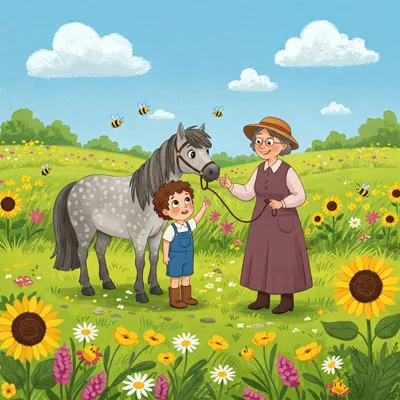
 1765
1765  England
 Lyrics
His name was Dapple Gray.
I lent him to a lady,
To ride a mile away.
She whipped him, she slashed him,
She rode him through the mire.
I would not lend my pony now,
For all the lady's hire.
History and Meaning
"I Had a Little Pony" is a traditional English nursery rhyme with its earliest documented appearance in 1842 in James Orchard Halliwell's collection, though it likely existed in oral tradition before this date.
Origins
The author of the rhyme remains unknown, and some sources suggest it may have originated in Ireland. The rhyme tells the story of a pony owner who lends their beloved horse to a lady, only to have it returned after being mistreated.
The Story
The narrative is simple but poignant:
- The speaker has a pony named Dapple Grey
- They lend the pony to a lady to ride "a mile away"
- The lady mistreats the pony—whipping and slashing it, riding it through muddy terrain
- The speaker vows never to lend the pony again, regardless of payment offered
Themes and Meaning
The rhyme addresses several important themes:
- Animal welfare: The mistreatment of the pony serves as a cautionary tale about how animals should and should not be treated
- Trust and betrayal: The speaker's trust in the lady is broken by her cruelty
- Learning from mistakes: The final lines express the lesson learned—some things are too precious to risk lending
- The value of possessions: Money cannot compensate for the harm done to something beloved
"Dapple Grey"
The name "Dapple Grey" refers to a coat pattern in horses characterized by circular markings and a grey coloration. It was a common name for horses in traditional English literature and folk songs, appearing in various ballads and rhymes.
Variations
Several variants of the rhyme exist:
- Some versions use "They called him Dapple-grey" or "And I called him Dapple Grey"
- Another notable variant describes a fantastical horse with "legs made of cornstalks" and a "body made of hay"
- Different versions vary the nature and extent of the mistreatment described
Educational Value
The rhyme teaches children about:
- The responsibility of caring for animals
- The consequences of lending prized possessions
- Standing up for those who cannot defend themselves
- The importance of treating borrowed items with respect