
Little Peter Rabbit
 Early 20th Century
  UK/ USA
 Lyrics
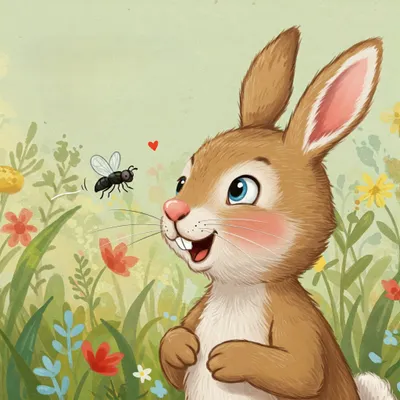
Little Peter Rabbit had a fly upon his nose.
Little Peter Rabbit had a fly upon his nose,
So he flipped it and he flopped it
And the fly flew away.
Floppy tail and curly whiskers,
Floppy tail and curly whiskers,
Floppy tail and curly whiskers,
So he flipped it and he flopped it
And the fly flew away.
History and Meaning
"Little Peter Rabbit" is a popular action song for young children that has been sung in nurseries, preschools, and summer camps for generations.
Origins and Influences
While the exact origins of this song are unclear, it became widely popular in American and British nursery schools during the mid-20th century. The name "Peter Rabbit" inevitably draws associations with Beatrix Potter's famous character, created in 1893, though the song itself appears to be a separate folk tradition.
The song may have developed independently in the oral tradition of children's finger-play songs, only later borrowing the familiar name of Potter's beloved rabbit character.
An Action Song
What makes "Little Peter Rabbit" special is its use as an action song or "camp song." Children perform specific actions while singing:
- Pat their nose when singing about the fly on the nose
- Wave their hands for "flipped it and flopped it"
- Make flying motions when "the fly flew away"
- Wiggle imaginary whiskers and tails for those verses
This combination of singing and movement helps develop coordination and makes the song highly engaging for young children.
Cumulative Structure
The song often follows a cumulative "subtract-a-word" pattern where, with each repetition, another word is replaced with a humming sound or action. For example:
- First verse: Sing all words
- Second verse: Hum instead of saying "fly"
- Third verse: Hum for "fly" and "nose"
This format teaches listening skills and memory while adding an element of challenge and fun.
Educational Benefits
The song supports early childhood development by combining music, movement, memory, and language skills, making it a favorite among early years educators worldwide.