

Little Polly Flinders


Lyrics
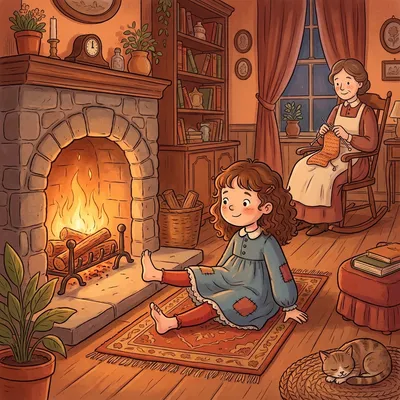
Little Polly FlindersSat among the cinders,Warming her pretty little toes;Her mother came and caught her,And whipped her little daughterFor spoiling her nice new clothes.
History and Meaning
Polly Flinders sits in the cinders to warm her toes and ruins her good clothes, so her mother catches her and whips her for it. The whole rhyme is that one small domestic crime and its punishment, a slice of Regency-era parenting in six tidy lines.
Origins
The earliest documented printed version of the rhyme was published around 1805 in the collection Original Ditties for the Nursery. Some historical accounts have tentatively associated the creation of the rhyme with the dramatist and songwriter Charles Dibdin, though most folklorists treat it as a product of English oral folk tradition. By the mid-19th century, it was widely integrated into Mother Goose nursery collections across Great Britain and North America.
Meaning & Interpretation
The narrative describes Polly sitting among the fireplace cinders to warm her feet, leading to her spoiling her new clothing. Her mother catches her and punishes her for the damage. Historically, the rhyme used the word "whipped" in the fifth line, representing the standard disciplinary norms of the Victorian and Regency eras. In modern adaptations, this line is frequently softened to "scolded" or "reasoned with" to align with contemporary child-rearing practices.
What is the moral of the Little Polly Flinders rhyme?
The rhyme is a cautionary tale designed to warn children against playing near open fires and hearths. It teaches children to respect household safety rules and value their clothing, highlighting the immediate domestic consequences of carelessness.
Lyrics from nurseryrhymes.info