
Little Sally Walker
 Mid-19th Century
  UK/ USA
 Lyrics
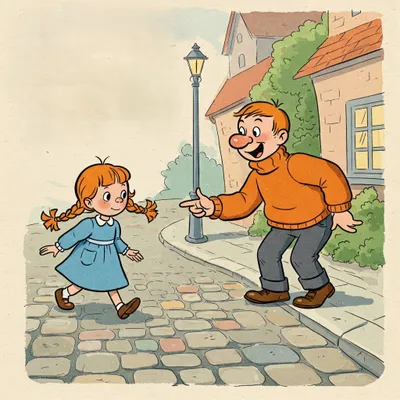
Little Sally Walker,
Walking down the street.
She didn't know what to do,
So she stopped in front of me.
Hey girl, do your thing, do your thing, switch!
Hey girl, do your thing, do your thing, stop!
(Alternative/Additional Lines Often Used in the Game):
Shake it to the East,
Shake it to the West,
Shake it to the very one that you love the best!
History and Meaning
"Little Sally Walker" (also known as "Little Sally Water" or "Little Sally Saucer") is a traditional children's ring game with roots in African American folk culture, dating back to at least the 19th century.
Origins
The song originated in the African American community in the Southern United States, likely during or shortly after the era of slavery. Like many ring games, it combines elements of African musical and dance traditions with English language and American folk culture.
How the Game is Played
"Little Sally Walker" is an action ring game where children form a circle around one player (Sally):
- The child in the middle acts sad, wiping their eyes ("crying" or "weeping in the saucer")
- The circle sings while moving around Sally
- Sally is instructed to "rise up" and do various actions
- Sally then chooses another child to take her place in the middle
- The game continues with a new Sally
Lyrics and Variations
The song has many regional variations, but typical lyrics include:
"Little Sally Walker, sitting in a saucer, Rise, Sally, rise, wipe your weeping eyes, Put your hands on your hips and let your backbone slip, Shake it to the east, shake it to the west, Shake it to the one that you love the best."
Different versions may say "Sally Water," "Sally Saucer," or "Sally Walker," and the actions Sally performs vary by region and generation.
Cultural Significance
The song represents an important part of African American folk heritage. Ring games like "Little Sally Walker" served multiple purposes:
- Social bonding: Bringing children together in cooperative play
- Movement and dance: Allowing creative expression through body movement
- Oral tradition: Passing down culture through song and game
- Choice and agency: The moment when Sally picks the next player gives the child in the middle a moment of power and decision
Enduring Popularity
The game has spread beyond its African American origins to become popular in playgrounds across America and internationally. Its combination of song, dance, and social interaction continues to engage children, making it a living example of folk culture passed from generation to generation.
Modern References
"Little Sally Walker" has been referenced in popular music, including hip-hop and R&B songs, demonstrating how this children's game remains embedded in American cultural memory.