

Little Tommy Tittlemouse
 1760s
1760s  England
 Lyrics
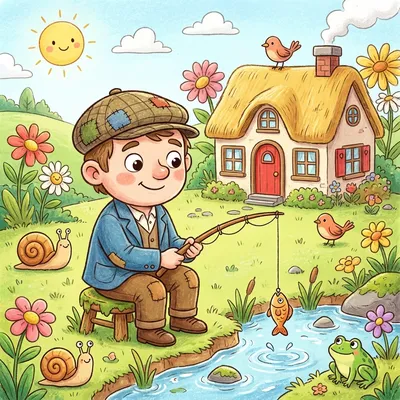
Lived in a little house;
He caught fishes
In other men's ditches.
History and Meaning
"Little Tommy Tittlemouse" is a traditional English nursery rhyme that first appeared in the 1760s.
Origins
The rhyme was first published in "Tommy Thumb's Pretty Song Book" (around 1760), making it one of the older documented nursery rhymes in English. The collection is one of the earliest known compilations of nursery rhymes.
Meaning and Interpretation
The rhyme describes:
- Tommy Tittlemouse living in a small house
- Him catching fish in "other men's ditches"
This seemingly innocent verse has several interpretations:
- Poaching: Fishing in "other men's ditches" suggests poaching or stealing
- Resourcefulness: Tommy makes do despite his humble circumstances
- Social commentary: The poor taking from the rich
The Name
"Tittlemouse" is likely a corruption of "tittle-mouse" meaning a small or insignificant person. The diminutive name reinforces Tommy's humble status.
Connection to Beatrix Potter
Beatrix Potter later created a character called "Mrs. Tittlemouse" in her 1910 book "The Tale of Mrs. Tittlemouse," though her character was a tidy wood mouse rather than a fishing man.
Cultural Significance
The rhyme provides insight into rural English life, where waterways and ditches were important for fishing and where property rights were sometimes murky.