

Oh My Darling Clementine


Lyrics
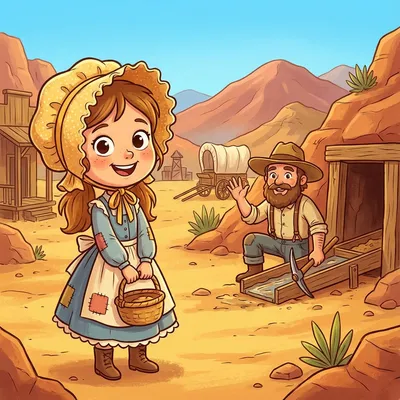
In a cavern, in a canyon,Excavating for a mine,Dwelt a miner forty-niner,And his daughter Clementine.
Oh my darling, oh my darling,Oh my darling, Clementine!Thou art lost and gone forever,Dreadful sorry, Clementine.
History and Meaning
A gold miner's daughter drowns in a river, and her sweetheart is "dreadful sorry," then promptly cheers up by kissing her little sister. "Oh My Darling Clementine" sets that grim little tale to a bouncy, cheerful tune, and the mismatch is the point: it is a send-up of the sentimental ballads of its day, not a real lament.
Origins
The ballad was first published in 1884, with lyrics credited to Percy Montrose. Some historical sources also credit Barker Bradford with an early version of the text.
The melody of the song is believed to be adapted from an 1863 piece titled "Down by the River Liv'd a Maiden" by H.S. Thompson. Folklorists have also theorized that the tune has older roots, potentially deriving from a Spanish ballad that was sung by Mexican miners during the California Gold Rush.
Meaning & Interpretation
The lyrics are set during the California Gold Rush of 1849, referencing a "forty-niner" who excavates a canyon for gold. The song serves as a satire of the highly dramatic, sentimental ballads that were popular during the late Victorian era.
Clementine's death is described with absurd details, such as her tripping on a splinter because she wore shoes made of "herring boxes." The singer's quick recovery at the end of the full ballad, where he kisses Clementine's little sister instead, confirms that the song was written as a parody rather than a sincere tragedy.
Who wrote the song Oh My Darling Clementine?
The song is most commonly credited to Percy Montrose, who published it in 1884. The melody was likely adapted from H.S. Thompson's 1863 song "Down by the River Liv'd a Maiden."
What historical event inspired Oh My Darling Clementine?
The song is set during the California Gold Rush of 1849. The character of the "forty-niner" represents the gold miners who flocked to California in search of fortune, facing harsh and dangerous wilderness conditions.
Lyrics from nurseryrhymes.info