
One Misty, Moisty Morning

Lyrics
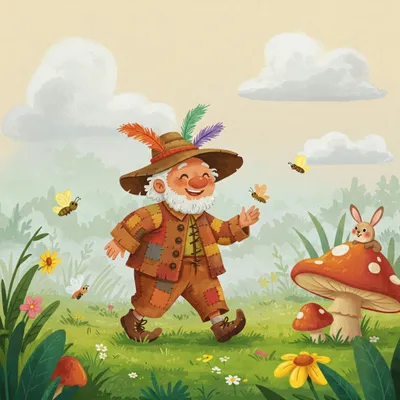
One misty, moisty morning,When cloudy was the weather,I chanced to meet an old manClothed all in leather.
He began to compliment,And I began to grin,How do you do? And how do you do?And how do you do again?
History and Meaning
On a grey, drizzly morning the narrator meets an old man dressed head to foot in leather, and the two fall into a round of "How do you do?" That damp little encounter is the whole of the rhyme, but its atmosphere has kept folk singers coming back to it for centuries.
Origins
The rhyme is derived from a much longer seventeenth-century English broadside ballad titled The Wiltshire Wedding. The ballad details the courtship and marriage of Daniel Do-well and Doll the Dairy-Maid, with the consent of her parents, Father Leather-Coat and Mother Plod-well. Published in London by Jonah Deacon, historical records date the printing of the broadside to between 1684 and 1695. The first two verses of that ballad evolved into the modern nursery rhyme, which was later printed in Thomas D'Urfey's early eighteenth-century song collection, Wit and Mirth: or Pills to Purge Melancholy.
Meaning & Interpretation
The meeting described in the verse represents a traditional, polite country encounter. The character of the old man "clothed all in leather" likely refers to Dolly's father, Father Leather-Coat, from the original ballad. Leather was a practical, durable material worn by seventeenth-century farmers and workers, though some historians suggest it could refer to a soldier's protective leather jerkin. The narrator's grin and the old man's compliments demonstrate a friendly social exchange. The repetition of "How do you do" acts as a rhythmic play song for children, teaching them polite greetings through verse.
What is the origin of One Misty Moisty Morning?
The rhyme originated in the late seventeenth century as the opening verses of an English broadside ballad titled The Wiltshire Wedding. The ballad was printed in London between 1684 and 1695.
Who is the man clothed all in leather?
In the original broadside ballad, the man in leather represents Father Leather-Coat, the father of the bride, Doll the Dairy-Maid. Leather was a common, sturdy clothing material for rural workers in seventeenth-century England.
Music Video
If the player is unavailable, watch this video on YouTube.
Lyrics from nurseryrhymes.info