

Roses Are Red
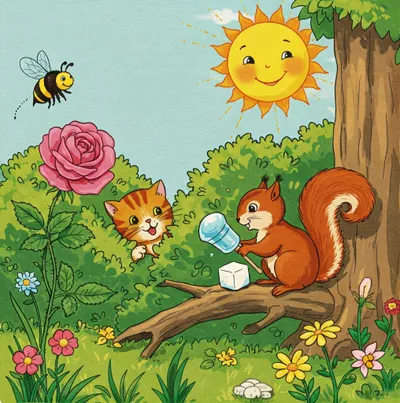
 1784
1784  England
 Lyrics
Violets are blue,
Sugar is sweet
And so are you.
History and Meaning
"Roses are Red, Violets are Blue" is a popular nursery rhyme with a history stretching back centuries, with its origins found in 16th-century English literature before evolving into the well-known children's verse. The earliest known precursor appeared in Edmund Spenser's epic allegorical poem "The Faerie Queene," published in England in 1590, which included lines describing a maiden bathing: "She bath'd with roses red, and violets blew, And all the sweetest flowres, that in the forrest grew" (with "blew" being an archaic form of "blue"). Two centuries later, a version much closer to the modern nursery rhyme was published in "Gammer Gurton's Garland," a collection of English nursery rhymes, in 1784, reading: "The rose is red, the violet's blue, The honey's sweet, and so are you. Thou art my love and I am thine; I drew thee to my Valentine: The lot was cast and then I drew, And Fortune said it shou'd be you." The rhyme's enduring popularity is attributed to its simple rhyming structure, ease of memorization, and its adaptability to countless variations, contributing to its place in folk traditions and cultural heritage. Red roses are traditionally symbols of love, while blue violets often represent faithfulness, making the verse a perfect expression of romantic affection that has been adapted and parodied countless times over the centuries.