

The North Wind Doth Blow
 1783
1783  England
 Lyrics
And we shall have snow,
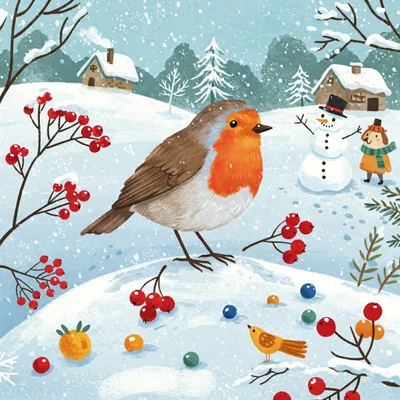
And what will poor robin do then, poor thing?
He'll sit in a barn,
And keep himself warm,
And hide his head under his wing, poor thing.
History and Meaning
"The North Wind Doth Blow" is a British nursery rhyme with roots believed to date back to the 16th century, though it first appeared in printed collections in the early 1800s, with James Orchard Halliwell including it in his mid-19th-century collection "Nursery Rhymes of England." The use of the archaic word "doth" suggests an earlier linguistic form, possibly placing its beginnings in the 17th or 18th century. The rhyme is intrinsically linked to the robin bird—specifically the European robin (Erithacus rubecula), which remains in its territory throughout the year unlike the migratory American robin—so much so that it is sometimes simply called "The Robin." The central theme of the rhyme is to evoke empathy in children, encouraging them to consider the struggles of animals, particularly the robin, during harsh winter weather, with the imagery of the robin hiding "his head under his wing" to keep warm reflecting birds' natural behaviors of seeking shelter and warmth in cold conditions. European robins are often considered "gardener's friends" in British and Irish folklore due to their tameness around people.