

This Little Light of Mine
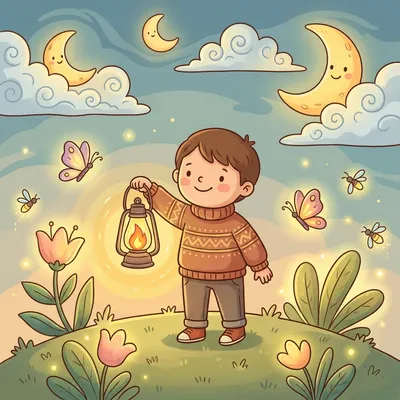
 USA
USA Lyrics
I'm gonna let it shine.
This little light of mine,
I'm gonna let it shine.
This little light of mine,
I'm gonna let it shine,
Let it shine, let it shine, let it shine.
History and Meaning
A gospel song that became an anthem of the civil rights movement, believed to have originated in the 1920s as a gospel song primarily for children, sung in Christian churches and even penitentiaries, with lyrics likely inspired by biblical passages such as Matthew 5:14-16 about letting one's light shine. The song is frequently attributed to Harry Dixon Loes, a composer and teacher, who is believed to have written it around 1920, though Loes himself never claimed to have written the original song and many sources now classify its origin as unknown or traditional, acknowledging its roots in African American spirituals and folk traditions. "This Little Light of Mine" evolved into a powerful anthem for the Civil Rights Movement in the 1950s and 1960s, with musician and folklorist Zilphia Horton playing a significant role in popularizing it within the movement by adapting the song and teaching it to folk singer Pete Seeger. Its simple, repetitive structure and adaptable lyrics made it an ideal protest song, easily learned and sung by large groups to foster unity, express hope, and demonstrate defiance against injustice during marches, sit-ins, and protests, with Civil Rights leader Fannie Lou Hamer famously singing it while detained by police after attempting to register to vote. In nursery settings, it is often taught with hand motions (holding up a finger as a 'candle').