
Curly Locks


Lyrics
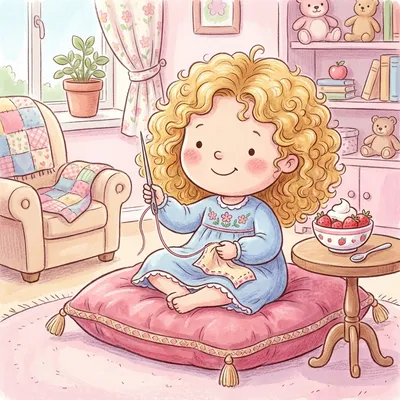
Curly Locks, Curly Locks,Wilt thou be mine?Thou shalt not wash dishes,Nor yet feed the swine;But sit on a cushionAnd sew a fine seam,And feed upon strawberries,Sugar and cream.
History and Meaning
"Curly Locks" is a traditional English nursery rhyme and courtship song that has been popular since the late eighteenth century. The rhyme is written as a romantic proposal where a suitor promises a comfortable, refined life to a young woman to win her hand in marriage.
The short poem serves as a historical window into class structures and social aspirations in late Georgian England.
Origins
The rhyme first appeared in print in London in 1797, published in the collection Infant Institutes. Like many oral folk verses, its exact author is unknown and it was likely sung for years before it was recorded. Over the nineteenth century, it became a standard inclusion in children's poetry books, often illustrated with scenes of rural romance.
Meaning & Interpretation
The lyrics are structured as a series of extravagant promises designed to tempt Curly Locks away from her daily chores. The suitor promises that she will not have to wash dishes or feed the pigs, which were arduous and low-status tasks typically performed by domestic servants or lower-class women. Instead, she will be given a life of luxury: sitting comfortably on cushions, performing genteel activities like fine needlework, and eating premium foods like strawberries, sugar, and cream. In the context of the era, these lines hold out the prospect of upward social mobility, elevating the girl from agricultural or domestic labor to a life of gentility.
What is the meaning of the Curly Locks nursery rhyme?
The rhyme is a marriage proposal where a suitor promises a life of leisure and comfort to a girl. By promising she will not perform chores like washing dishes and instead eat strawberries and cream, he is offering to elevate her social status.
When was Curly Locks first published?
The rhyme was first published in print in 1797 within the nursery collection titled Infant Institutes.
Lyrics from nurseryrhymes.info