

Cross Patch


Lyrics
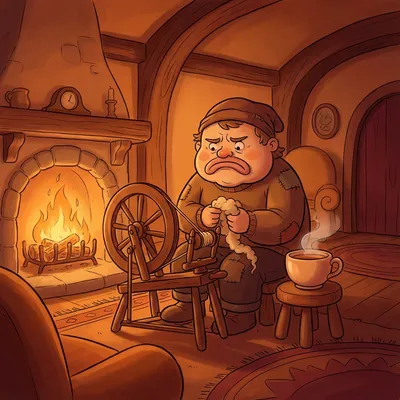
Cross Patch,Lift the latch,Sit by the fire and spin;Take a cup,And drink it up,Then call your neighbours in.
History and Meaning
"Cross Patch" is a traditional English nursery rhyme dating back to the eighteenth century, first appearing in print around 1765. The rhyme was historically used as a playful song to cheer up a grumpy child or neighbor. By suggesting simple comforts like sitting by a warm fire, spinning, and inviting neighbors over, the verse offers a gentle remedy for ill temper.
What is the history of the rhyme Cross Patch?
The rhyme was first published in Mother Goose's Melody around 1765, which was one of the earliest collections of English nursery rhymes. While the printed history of the rhyme begins in the mid-eighteenth century, the oral tradition likely dates back earlier. The verse was commonly sung by parents to children who were acting peevish or bad-tempered.
What does the term "cross patch" mean?
A "cross patch" was an old English dialect term for an ill-tempered, grumpy, or peevish person. The word "cross" means angry, while "patch" was a slang word for a fool, jester, or clown, likely referring to the patched garments worn by professional jesters. Therefore, calling someone a cross patch was a gentle way of teasing them for behaving like an angry fool.
How does the rhyme suggest curing a bad mood?
The lyrics outline a clear method to cure a bad mood using comfort, productivity, and social connection:
- "Lift the latch" and "sit by the fire" invite the grumpy person to seek warmth and comfort.
- "Spin" refers to the traditional task of spinning wool. This rhythmic, repetitive work had a calming, meditative effect.
- "Take a cup" suggests sharing a warm beverage to soothe irritability.
- "Call your neighbours in" encourages reconnecting with the community rather than isolating.
What was the significance of fireside spinning in the eighteenth century?
In the eighteenth century, spinning was an essential domestic task. The fireside served as the social hub of the home, where families and neighbors gathered to work, share news, and stay warm. The rhyme highlights how hospitality and community support were valued as natural remedies for isolation and bad moods.
Lyrics from nurseryrhymes.info