
Irish Nursery Rhymes (Amhráin Pháistí) - Traditional Irish Children's Songs
Irish Nursery Rhymes
Amhráin Pháistí na hÉireann
Amhráin pháistí (Irish children's songs) are an essential part of Irish cultural heritage, preserving the beautiful Gaelic language through music and song passed down through generations in Gaeltacht (Irish-speaking) communities and beyond.
From the gentle lullaby Táimse im' Chodladh to the energetic An Poc ar Buile, Irish nursery rhymes reflect Ireland's rich storytelling tradition, deep connection to nature, and vibrant musical heritage. These songs introduce children to Irish folklore, mythology, and the rhythm of the Irish language (Gaeilge).
Each rhyme on this page includes the original Irish lyrics, an English translation, grammar notes for Irish language learners, and the history and cultural significance of the song. Many of these songs are taught in Gaelscoileanna (Irish-language schools) and naíonraí (Irish-language preschools) throughout Ireland.
Explore Irish Rhymes
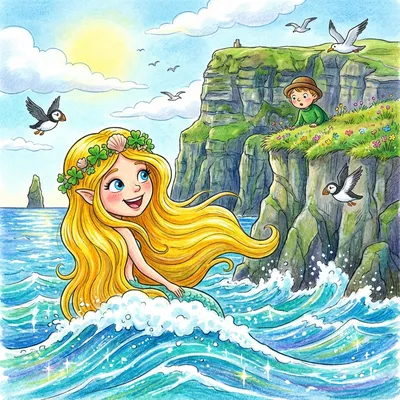
An Mhaighdean Mhara
The Mermaid
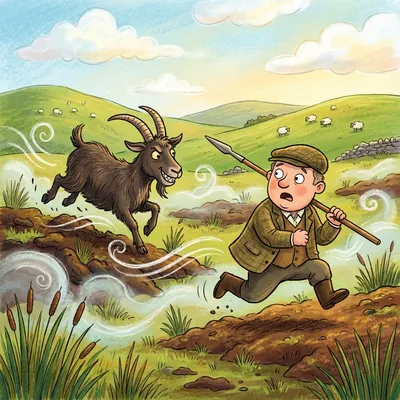
An Poc ar Buile
The Mad Puck Goat
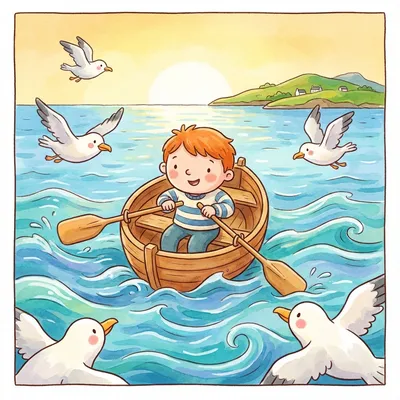
Báidín Fheidhlimí
Feidhlim's Little Boat
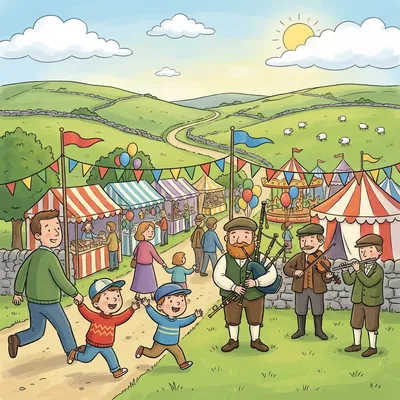
Beidh Aonach Amárach
There'll Be a Fair Tomorrow
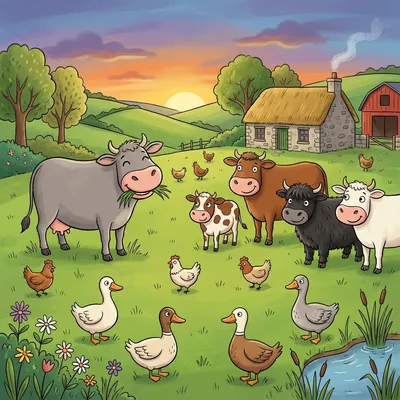
Bó Bheag
Little Cow
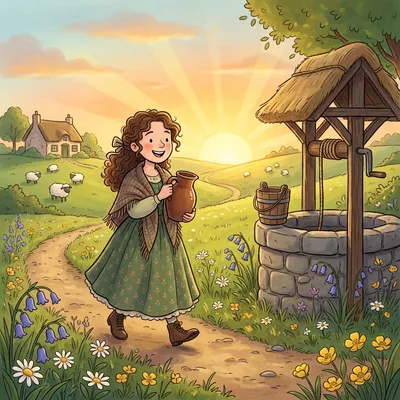
Cailín na Gruaige Doinne
The Girl with the Brown Hair
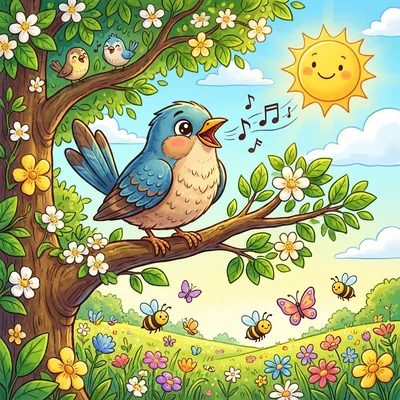
Cuachán nan Craobh
The Cuckoo in the Grove
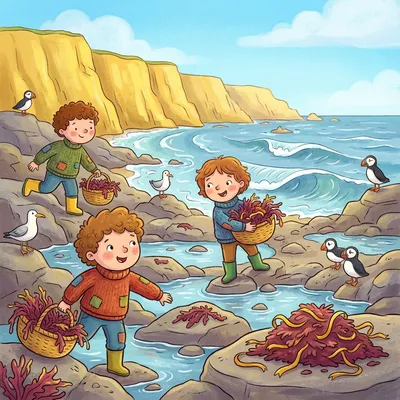
Dúlamán
Seaweed
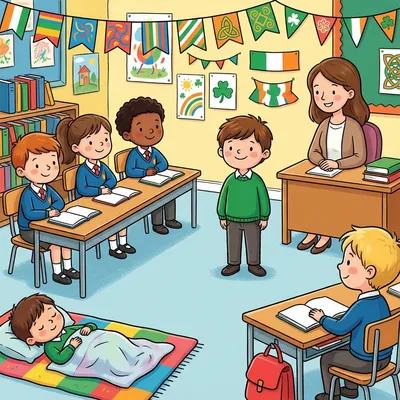
Im Shuí Im Luí
Sitting and Lying
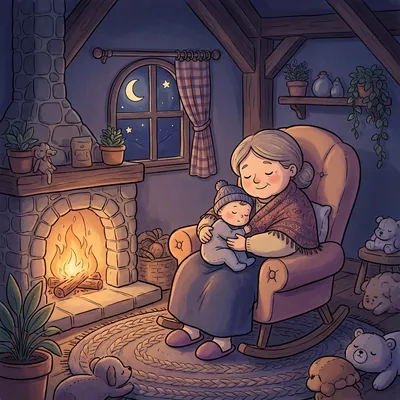
Táimse im' Chodladh
I Am Asleep
About Irish Amhráin Pháistí
Musical Tradition
Irish children's songs are deeply rooted in Celtic musical traditions, featuring sean-nós (old style) singing and melodic patterns unique to Irish folk music.
Language Preservation
These songs play a vital role in keeping the Irish language (Gaeilge) alive, teaching pronunciation, grammar, and vocabulary to new generations through music and repetition.
Nature & Mythology
Irish rhymes often feature elements from nature (sea, animals, seasons) and Irish mythology (mermaids, selkies, magical creatures), connecting children to their natural and mythological heritage.
Educational Role
Today, these songs are central to Irish-language education in Gaelscoileanna and naíonraí, where children learn Irish as their primary language of instruction through immersive songs, stories, and play.
About the Irish Language (Gaeilge)
Irish (Gaeilge) is a Celtic language and one of the oldest written languages in Europe, with a literary tradition dating back over 1,500 years. It is the first official language of the Republic of Ireland and is spoken as a community language in Gaeltacht regions along the west coast.
Irish features unique grammatical structures not found in English, including:
- Lenition - consonants are "softened" by adding 'h' (e.g., bean → bhean)
- Eclipsis - consonants are preceded by another consonant (e.g., bean → mbean)
- Prepositional pronouns - prepositions combine with pronouns (e.g., ag + mé = agam)
- Verbal nouns - Irish uses verbal nouns instead of infinitives
Our grammar notes for each song explain these features to help learners understand the structure of the Irish language.