

Tommy Trot

Lyrics
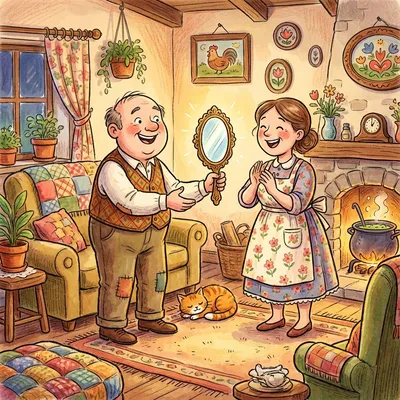
Tommy Trot, a man of law,Sold his bed and lay upon straw;Sold the straw and slept on grass,To buy his wife a looking-glass.
History and Meaning
Tommy Trot sells his bed to sleep on straw, sells the straw to sleep on grass, and spends it all on a looking-glass for his wife. The joke is that he is "a man of law," supposedly sensible, ruining himself for a mirror. It is a small satire on vanity and bad budgeting.
Origins
The song has its roots in traditional English oral folklore. While the exact composer is unknown, the rhyme was documented in various nineteenth-century children's literature collections, notably by the folklorist James Orchard Halliwell in his landmark study The Nursery Rhymes of England. No verified print record survives from before the nineteenth century.
Meaning & Interpretation
The verse functions as a lighthearted satire on vanity and poor financial priorities. The character of Tommy Trot is described as a "man of law," a title historically used for lawyers or legal professionals. The humor in the rhyme comes from the absurdity of a supposedly educated, logical professional making extremely foolish decisions. He sells his comfortable bed to buy straw, then sells the straw to sleep on the grass, all to buy a "looking-glass" (mirror). In the eighteenth and nineteenth centuries, high-quality glass mirrors were expensive luxury items. Tommy's sacrifice of basic necessities (a place to sleep) for a vanity item is presented as a comical warning about the dangers of consumerism and love-struck foolishness.
What is the meaning of Tommy Trot?
The rhyme is a humorous cautionary tale about a lawyer who sacrifices his basic comfort, selling his bed, then his straw, and finally sleeping on the bare grass, all to buy his wife a luxury mirror. It serves as a lighthearted commentary on vanity and poor financial decisions.
When was Tommy Trot first published?
While the exact publication date of the rhyme is unknown due to its origins in oral folklore, it was formally collected and published in print during the nineteenth century by folklorists like James Orchard Halliwell.
Lyrics from nurseryrhymes.info