
Foxy's Hole


Lyrics
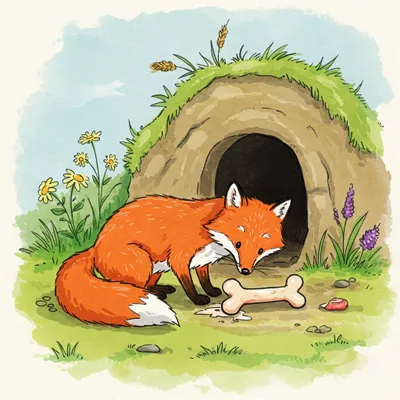
Put your finger in Foxy's holeFoxy's not at homeFoxy's out at the back doorPicking at a bone
History and Meaning
"Foxy's Hole" is a traditional English nursery rhyme and interactive finger-play game. Used primarily to entertain toddlers and young children, the rhyme is accompanied by a playful physical activity that builds anticipation and ends with a harmless surprise.
Origins
The earliest documented print version of this rhyme is found in James Orchard Halliwell's 1842 compilation, The Nursery Rhymes of England. While the 1842 publication is the first official record, folklorists believe the game is much older, potentially dating back to the Tudor period. Across the British Isles, various regional adaptations have been recorded. For instance, Scottish versions of the game replace the fox with a crow, carrion crow, or crab, while variations in Hertfordshire replace the fox with a spider.
Meaning & Interpretation
The lyrics describe a simple, repetitive story about a fox who is away from his den, eating a bone at the back door. The poem exists primarily to set up the rules of the physical game rather than to tell a complex narrative. It creates a sense of suspense for the child, who is waiting for the moment when Foxy returns.
How is Foxy's Hole played?
To play the game, an adult clenches their fist to represent the home or hole of the fox, leaving a small opening at the top. The child is then prompted to insert their finger into the opening. While reciting the final line of the rhyme, the adult quickly closes their hand to secure the child's finger, often accompanied by a gentle squeeze or tickle.
Music Video
If the player is unavailable, watch this video on YouTube.
Lyrics from nurseryrhymes.info