
Jack a Nory


Lyrics
I'll tell you a storyAbout Jack a Nory,And now my story's begun;I'll tell you anotherOf Jack and his brother,And now my story is done.
History and Meaning
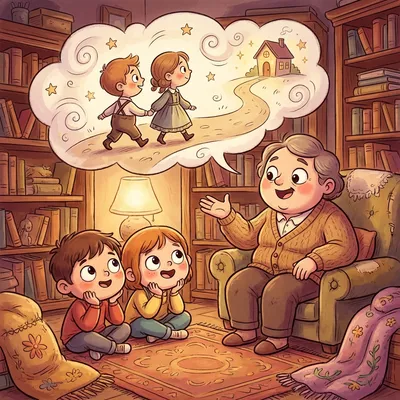
"Jack a Nory" promises a story and then refuses to tell one. It announces that the tale has begun, mentions Jack and his brother, and declares the tale done, all in six lines. Parents have long used it to head off the bedtime plea for just one more story.
Origins
The rhyme was first published in written form around 1760 in the popular children's book The Top Book of All For Little Masters and Misses. While its exact authors are unknown, the name Jack a Nory has been part of English folklore for centuries. In 1965, the BBC adopted the name for its long-running children's television series Jackanory, which featured various actors reading children's books. The popularity of this television show subsequently introduced the term into Cockney rhyming slang, where "Jackanory" means a story or a lie.
Meaning & Interpretation
The verse plays on the structure of storytelling itself. By announcing that the story has begun and then immediately declaring that the story is done, it acts as a gentle, teasing joke. Rather than holding any deep historical allegory or political subtext, the rhyme is a functional tool of oral tradition. It provides a lighthearted and clear signal to young children that bedtime has arrived and no further stories will be told.
When was Jack-a-Nory first published?
The rhyme first appeared in print in London around 1760 in The Top Book of All For Little Masters and Misses. It has been reprinted in many historical collections of Mother Goose rhymes since the late 18th century.
Lyrics from nurseryrhymes.info