

Lucy Locket


Lyrics
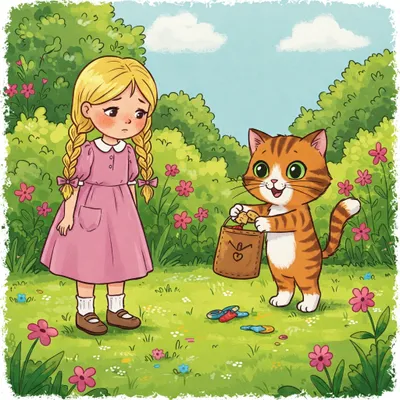
Lucy Locket lost her pocket,Kitty Fisher found it;Not a penny was there in it,Only ribbon round it.
History and Meaning
One of the two women in "Lucy Locket" was real: Kitty Fisher, a famous eighteenth-century London courtesan painted by Joshua Reynolds. The rhyme about a lost pocket and a ribbon was first written down in 1842, but it had been sung, to the tune of "Yankee Doodle," long before.
What did a pocket refer to in the eighteenth century?
In the context of this rhyme, a "pocket" refers to a detachable pouch that women wore around their waist from the seventeenth to nineteenth centuries. Unlike modern pockets sewn into clothing, these were separate items accessed through an opening in the skirt. They held personal items, money, and valuables.
Who was the real Kitty Fisher mentioned in the rhyme?
Kitty Fisher, mentioned in the rhyme, was a real historical figure. Catherine Maria Fisher (1741-1767) was a renowned English courtesan celebrated for her beauty, extravagance, and carefully cultivated public image. She became a prominent celebrity of her era and was even painted by the famous artist Sir Joshua Reynolds.
Her fame was significant enough that her name lived on in this nursery rhyme long after her death.
What are the historical interpretations of Lucy Locket?
Several theories connect the rhyme to the lives of courtesans:
- Rivalry between courtesans: Some scholars suggest the rhyme alludes to a rivalry between two eighteenth-century prostitutes.
- Charles II era: James Orchard Halliwell, who recorded the rhyme, speculated that both Lucy and Kitty were "celebrated courtesans of the time of Charles II."
- The Beggar's Opera connection: "Lucy Locket" may reference "Lucy Lockit," a character in John Gay's 1728 satirical play.
What is the symbolic meaning of the pocket?
One theory suggests the "pocket" symbolizes a wealthy lover:
- If Lucy "lost" her wealthy lover...
- Kitty "found" him (took him for herself).
- The "ribbon" with no penny represents the transaction of affection for money.
This interpretation implies the rhyme preserved risqué elements from adult folk culture before being adapted for children.
What other song shares a melody with Lucy Locket?
Interestingly, the tune associated with "Lucy Locket" is the same melody used for "Yankee Doodle," suggesting the tune traveled between different songs in the folk tradition.
How did the song evolve from adult satire to children's verse?
Like many nursery rhymes, "Lucy Locket" likely began as adult social commentary before being softened for children's ears. Today, children sing it without any awareness of its potentially scandalous origins.
Music Video
If the player is unavailable, watch this video on YouTube.
Lyrics from nurseryrhymes.info