
Oh Dear! What Can the Matter Be?
 Late 18th Century
  England
 Lyrics
Oh dear! What can the matter be?
Dear, dear! What can the matter be?
Oh dear! What can the matter be?
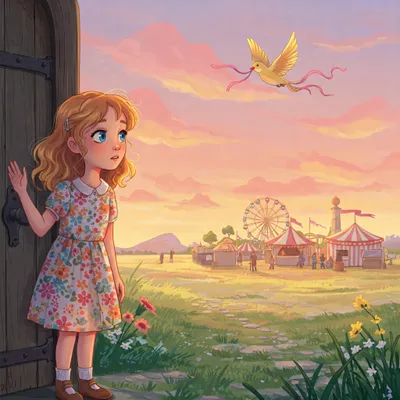
Johnny's so long at the fair.
He promised to buy me a bunch of blue ribbons,
He promised to buy me a bunch of blue ribbons,
He promised to buy me a bunch of blue ribbons,
To tie up my bonny brown hair.
Oh dear! What can the matter be?
Dear, dear! What can the matter be?
Oh dear! What can the matter be?
Johnny's so long at the fair.
Variations exist, sometimes adding verses about other promised gifts like a basket of posies or a straw hat.
History and Meaning
This traditional English folk song dates back to the 1770s and was derived from an earlier folk ballad recorded between 1770 and 1780, according to the Oxford Dictionary of Nursery Rhymes by Iona and Peter Opie. The tune first appeared in print in 1792 in the "British Lyre, or Muses' Repository," and historical records show it was performed as a popular duet by singer Samuel Harrison and his wife, Miss Cantelo, beginning in 1776.
The song expresses a young woman's concern about her sweetheart Johnny's prolonged absence at the fair, where he promised to buy her "fairings" (traditional fair gifts) and ribbons to tie up her hair. The repeated anxious questioning—"Oh dear! What can the matter be?"—captures a relatable worry that someone you care about hasn't returned when expected. This simple emotional scenario has helped the rhyme endure for over two centuries.
The song's popularity has led to numerous variations and parodies over the years, including political adaptations that appeared in newspapers during the American Civil War era, and the well-known humorous version "Seven Old Ladies Locked in the Lavatory," demonstrating how memorable melodies can be repurposed across generations and cultures.