

On Top of Old Smoky


Lyrics
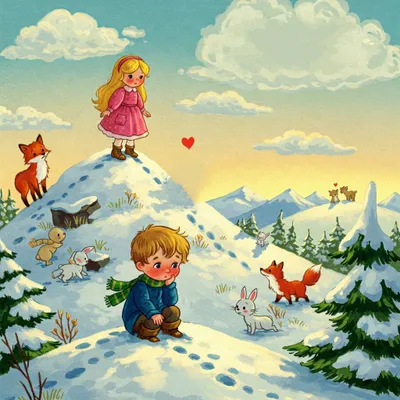
On top of Old Smokey, all covered with snow,I lost my true lover for courting too slow.
For courting’s a pleasure but parting is grief,And a false-hearted lover is worse than a thief.
A thief will just rob you and take what you have,But a false-hearted lover will lead you to your grave.
The grave will decay you and turn you to dust,Not one boy in a hundred a poor girl can trust.
They’ll hug you and kiss you and tell you more liesThan crossties on a railroad or stars in the sky.
So come ye young maidens and listen to me:Never place your affection in a green willow tree.
For the leaves they will wither, the roots they will die,And you’ll be forsaken and never know why.
History and Meaning
"On Top of Old Smoky" is a bleak Appalachian warning about love gone wrong: false-hearted suitors, lost lovers, an early grave. Most children, though, know only its tune, borrowed in 1963 for "On Top of Spaghetti" and a meatball that rolls off the plate.
Origins
The exact origins of the song are unrecorded, as it developed through the oral traditions of Appalachian communities. Folklorists believe the song's melody and theme evolved from older British, Irish, and Scottish folk ballads brought to America by early settlers. The song was first officially documented in writing by English folklorist Cecil Sharp, who recorded a version on July 29, 1916, from a singer named Memory Shelton in Madison County, North Carolina. Sharp published it in his 1917 collection English Folk Songs from the Southern Appalachians. The Roud Folk Song Index catalogs the ballad under number 414.
Meaning & Interpretation
The lyrics tell the story of a lover who has lost their partner due to "courting too slow." The song warns young women about the dangers of placing their trust in false suitors, comparing them to thieves and lying railroad ties.
The first commercial recording of the song was made in 1925 by blind musician George Reneau. The song achieved massive mainstream success in 1951 when the folk group The Weavers, featuring Pete Seeger, recorded a chart-topping version. In 1963, children's entertainer Tom Glazer wrote a popular parody titled "On Top of Spaghetti," which turned the tune into a children's novelty song about a runaway meatball.
When was On Top of Old Smoky first written?
The song is a traditional folk ballad of unknown authorship. The earliest written documentation of the song was collected by folklorist Cecil Sharp in North Carolina in 1916.
What is the children's parody of On Top of Old Smoky?
In 1963, singer Tom Glazer released a humorous parody titled "On Top of Spaghetti." It follows the same melody but tells the story of a meatball that rolls off a plate of spaghetti.
Music Video
If the player is unavailable, watch this video on YouTube.
Lyrics from nurseryrhymes.info