
Little Peter Rabbit

Lyrics
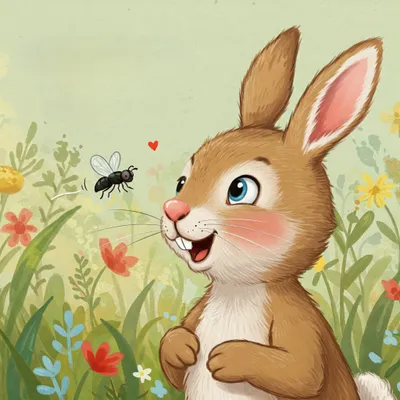
Little Peter Rabbit had a fly upon his nose,Little Peter Rabbit had a fly upon his nose.Little Peter Rabbit had a fly upon his nose,So he flipped it and he flopped itAnd the fly flew away.
Floppy tail and curly whiskers,Floppy tail and curly whiskers,Floppy tail and curly whiskers,So he flipped it and he flopped itAnd the fly flew away.
History and Meaning
"Little Peter Rabbit" has a fly on his nose, and he flips and flops until it buzzes off. Children sing the action song to the rousing tune of the "Battle Hymn of the Republic," patting their noses and waving the fly away.
What tune is Little Peter Rabbit based on?
The melody of the song is based on the traditional American camp meeting hymn "Say, Brothers, Will You Meet Us" from the 1850s, which later became the tune for the Civil War song "John Brown's Body" and the "Battle Hymn of the Republic." While the name "Peter Rabbit" shares a name with Beatrix Potter's character created in 1893, the song itself appears to be a separate folk tradition that borrowed the name of the rabbit character to create a fun, interactive children's rhyme.
What are the hand actions for Little Peter Rabbit?
Children perform specific actions while singing the rhyme:
- Pat their nose when singing about the fly on the nose
- Wave their hands for "flipped it and flopped it"
- Make flying motions when "the fly flew away"
- Wiggle imaginary whiskers and tails for those verses
This combination of singing and movement helps develop coordination and makes the song highly engaging for young children.
Cumulative Structure
The song often follows a cumulative "subtract-a-word" pattern where, with each repetition, another word is replaced with a humming sound or action. For example:
- First verse: Sing all words
- Second verse: Hum instead of saying "fly"
- Third verse: Hum for "fly" and "nose"
This format teaches listening skills and memory while adding an element of challenge and fun.
Educational Benefits
The song supports early childhood development by combining music, movement, memory, and language skills, making it a popular choice for educators worldwide.
Music Video
If the player is unavailable, watch this video on YouTube.
Related Nursery Rhymes
Lyrics from nurseryrhymes.info