
Ladybird Ladybird


Lyrics
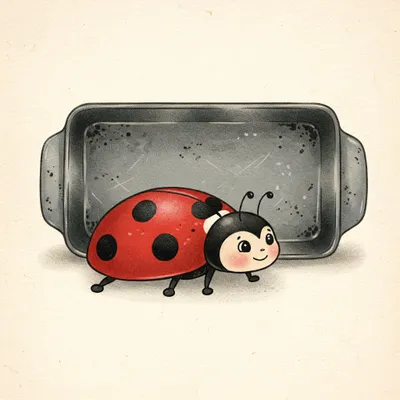
Ladybird, ladybird fly away home,Your house is on fire and your children are gone,All except one, and her name is Ann,And she hid under the baking pan.
History and Meaning
A child balances a ladybird on a fingertip and chants it on its way: fly home, your house is on fire, your children are gone. It is an oddly grim send-off for so small an insect (also "Ladybug, Ladybug" in North America), and the warning turns out to come from a real farming practice.
Origins
The rhyme is very old and was first recorded in print in Tommy Thumb's Pretty Song Book, published in London in 1744. Similar chants exist in German, Swedish, and French, which suggests the custom of singing to ladybirds runs deep through European folklore.
Meaning & Interpretation
The most widely accepted explanation for the rhyme is linked to traditional farming practices. Farmers valued ladybirds because they ate crop-destroying aphids. After harvesting crops, particularly hops in Kent, farmers would burn the remaining plant vines to clear the fields. The rhyme served as a superstitious charm to warn the useful insects to fly away before the fires started. Another historical theory suggests a connection to the religious persecution of Catholics in England during the Reformation. Under this theory, the "Lady" refers to the Virgin Mary, and the "pan" represents the hidden altars used by priests. However, most folklorists view the agricultural explanation as the most plausible origin for the chant.
What is the meaning of Ladybird Ladybird?
The rhyme is traditionally used as a gentle charm to encourage a ladybird to fly away. It warns the insect that its home is on fire, reflecting historical agricultural practices where fields were burned after the harvest.
Why is the ladybug warned about fire?
Historically, English farmers burned hop fields and crop stubble after the harvest to clear the land. Since ladybirds are helpful insects that protect crops, children and farmers sang the rhyme to encourage them to escape the fires.
Music Video
If the player is unavailable, watch this video on YouTube.
Related Nursery Rhymes

Lyrics from nurseryrhymes.info