
Lavender's Blue

Lyrics
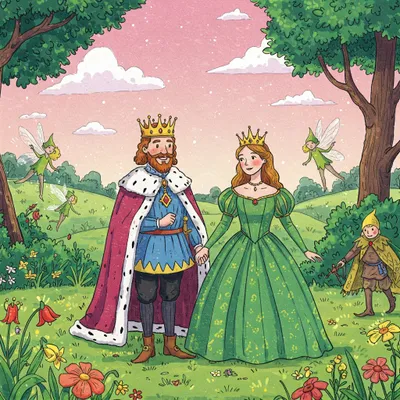
Lavender's blue, dilly dilly, lavender's green,When I am king, dilly dilly, you shall be queen:Who told you so, dilly dilly, who told you so?'Twas mine own heart, dilly dilly, that told me so.
Call up your men, dilly dilly, set them to work,Some with a rake, dilly dilly, some with a fork;Some to make hay, dilly dilly, some to thresh corn,Whilst you and I, dilly dilly, keep ourselves warm.
If you should die, dilly dilly, as it may hap,You shall be buried, dilly dilly, under the tap;Who told you so, dilly dilly, pray tell me why?That you might drink, dilly dilly, when you are dry.
History and Meaning
"Lavender's Blue" sounds like a tender love song now, all "dilly dilly" and devotion, but the version printed in the 1670s was a bawdy tavern ballad about drinking and lovers. Three and a half centuries of cleaning-up turned it into a nursery rhyme, and then into a Disney song.
When was Lavender's Blue first written?
The earliest known version of the song appeared as a broadside ballad titled "Diddle Diddle, Or The Kind Country Lovers," printed in England between 1672 and 1679. The broadside indicated that the song was to be sung to the tune of "Lavender Green," suggesting an even older melody already existed.
The original lyrics were quite different from the innocent children's version known today. The 17th-century version was bawdy, celebrating themes of romance, drinking, and adult lovers, far removed from the sanitized version sung to children today.
Transformation into a Children's Song
By the 19th century, the song underwent significant changes to make it suitable for children. The suggestive content was replaced with innocent verses about lavender and roses, love and devotion. This cleaned-up version became popular in nursery rhyme collections and has remained the standard ever since.
The Lavender Connection
Lavender has long been associated with love and devotion in English folklore. The herb was commonly used in sachets placed in clothing drawers and was believed to have calming properties. Its presence in the rhyme connects to broader traditions of using flowers and herbs as symbols of affection.
Why did Lavender's Blue become popular again?
The song gained popularity when it was featured in Disney's 2015 live-action film "Cinderella," sung by the characters as a lullaby. This introduced the centuries-old melody to a new generation of listeners while staying true to the gentler, romantic version that had evolved over time.
Cultural Significance
"Lavender's Blue" represents one of many examples of adult folk songs being adapted for children's use over time. This transformation reflects changing attitudes toward childhood and the creation of age-appropriate entertainment that emerged strongly in the Victorian era.
Music Video
If the player is unavailable, watch this video on YouTube.
Related Nursery Rhymes

Lyrics from nurseryrhymes.info