
The More We Get Together


Lyrics
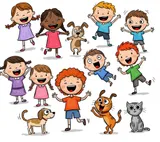
The more we get together,Together, together,The more we get together,The happier we'll be.'Cause your friends are my friendsAnd my friends are your friends.The more we get together,The happier we'll be.
History and Meaning
This sunny friendship song carries a startlingly grim tune behind it: "Ach, du lieber Augustin," supposedly about a Viennese drunk who survived the plague of 1679 by waking up in a burial pit and climbing out. The cheerful English friendship lyrics were attached much later, by 1926.
What melody is the song based on?
The melody for this song comes from the classic German folk song "Ach, du lieber Augustin" (Oh, dear Augustin), which dates back to the late 17th century. That song tells the tale of Augustin, a Viennese balladeer who allegedly survived the Great Plague of Vienna in 1679 by being mistakenly thrown into a plague pit while passed out drunk, only to wake up and climb out unharmed. The cheerful melody was later adapted with English lyrics focusing on themes of friendship, transforming a song about plague survival into a song about companionship.
What is the origin of the song The More We Get Together?
The English lyrics first became popular in the United Kingdom in 1926 when they were published in the Boy Scout association songbooks. The song then became popular in American schools and summer camps during the mid-twentieth century, where its simple, repetitive structure made it easy for young children to learn and sing together.
Educational Value
The song is frequently used in early childhood education settings because:
- The repetitive lyrics help with language development
- The theme of friendship supports social-emotional learning
- The melody is simple to remember and sing
- It can be adapted to include children's names, making it personal and engaging
Variations
Teachers and parents often customize the song by inserting the names of children in the group, singing lines like "With [child's name] and [child's name]" to make each child feel included and celebrated. This adaptability has helped keep the song in classrooms ever since.
Music Video
If the player is unavailable, watch this video on YouTube.
Related Nursery Rhymes


Lyrics from nurseryrhymes.info