

The North Wind Doth Blow
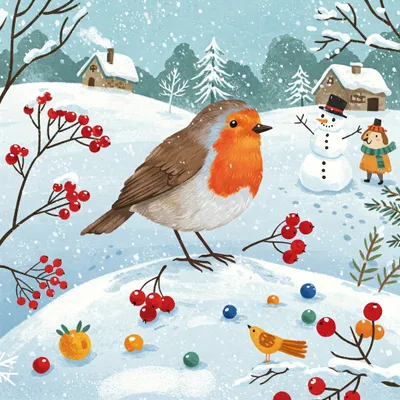


Lyrics
The North wind doth blow,And we shall have snow,And what will poor robin do then, poor thing?
He'll sit in a barn,And keep himself warm,And hide his head under his wing, poor thing.
History and Meaning
When the north wind brings snow, the rhyme asks, "what will poor robin do then?" The answer is gentle: he tucks his head under his wing in a barn and keeps warm. It is a small lesson in winter, and in caring for the birds that stay through it.
Origins
The song has its earliest documented printed appearance in the compilation Gammer Gurton's Garland, published in London in 1783. The use of the archaic verb "doth" suggests the rhyme was passed down orally for many generations before being recorded in writing. Folklorist James Orchard Halliwell later included the rhyme in his mid-nineteenth-century study, The Nursery Rhymes of England. The song is cataloged under number 19515 in the Roud Folk Song Index.
Meaning & Interpretation
The lyrics are simple and focus on the transition from autumn to winter. The north wind brings snow, and the narrator asks what a poor robin will do to survive the cold. The second verse answers that the robin will sit in a barn, tuck its head under its wing, and keep itself warm.
The rhyme is deeply connected to the European robin (Erithacus rubecula), which stays in Britain and Ireland throughout the year rather than migrating. This species was traditionally seen as a friend to gardeners, which contributed to its special status in folklore. The primary educational value of the song is to teach young children empathy for wildlife. By focusing on the struggles of the small bird, the song encourages children to show compassion for animals during the harsh winter months.
What is the meaning of The North Wind Doth Blow?
The rhyme describes a European robin seeking shelter in a barn to survive the winter snow. It is used to teach children about seasonal changes and to encourage kindness toward animals.
When was The North Wind Doth Blow first printed?
The rhyme was first published in London in 1783 within the nursery rhyme collection Gammer Gurton's Garland, compiled by Joseph Ritson.
Music Video
If the player is unavailable, watch this video on YouTube.
Related Nursery Rhymes




Lyrics from nurseryrhymes.info