
When Johnny Comes Marching Home


Lyrics
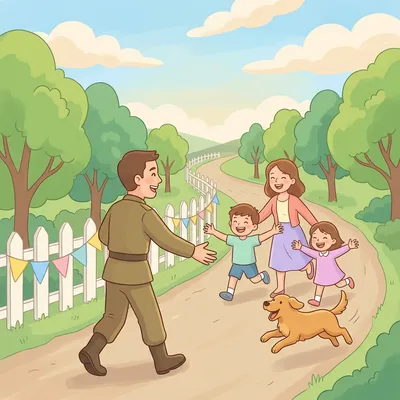
When Johnny comes marching home again, hurrah! hurrah!We'll give him a hearty welcome then, hurrah! hurrah!The men will cheer, the boys will shout,The ladies they will all turn out,And we'll all feel gay when Johnny comes marching home.
The old church bell will peal with joy, hurrah! hurrah!To welcome home our darling boy, hurrah! hurrah!The village lads and lassies say,With roses they will strew the way,And we'll all feel gay when Johnny comes marching home.
Get ready for the Jubilee, hurrah! hurrah!We'll give the hero three times three, hurrah! hurrah!The laurel wreath is ready nowTo place upon his loyal brow,And we'll all feel gay when Johnny comes marching home.
Let love and friendship on that day, hurrah! hurrah!Their choicest treasures then display, hurrah! hurrah!And let each one perform some part,To fill with joy the warrior's heart,And we'll all feel gay when Johnny comes marching home.
History and Meaning
The copyright deposit filed on 26 September 1863 credits "When Johnny Comes Marching Home" to a man named Louis Lambert. No such person existed. The song was written by Patrick Sarsfield Gilmore, an Irish-born bandmaster who had come to America during the famine years of the 1840s and was by then organising bands for the Union Army. Why he used a pen name has never been established.
The words promise a party: cheering crowds, church bells, roses thrown on the road, a laurel wreath waiting. The tune under them is in a minor key and moves closer to the pace of a lament, a strange pairing, and probably why it outlasted the cheerful marches written beside it.
Origins
Henry Tolman & Co. of Boston printed the first edition in 1863. It spread through both armies, unusual for a war song. Confederate singers put their own words to the melody in 1864 as "For Bales", a joke about cotton speculation.
The story passed down in Gilmore's family is that he wrote it for his sister Annie, who was waiting on the safe return of Captain John O'Rourke of the Union light artillery. The two did not marry until 1875, so whether they were even engaged in 1863 is unclear. Gilmore also said the melody was not his own, that he had heard it sung and set words to it, but he left no detail anyone could trace.
Meaning & Interpretation
Every verse describes a celebration that has not happened yet. The men will cheer, the ladies will turn out, the bell will peal, the wreath is ready. Nothing sits in the present tense except the preparing, which is what made the song usable by families at home as well as by soldiers. It is about waiting, sung in advance.
Gilmore never says whether Johnny arrives. That silence, plus the minor key, is why many listeners hear more worry than triumph in it. That is interpretation, not something Gilmore recorded; audiences in the 1860s sang it plainly as a victory number.
Is it the same tune as the Irish song "Johnny I Hardly Knew Ye"?
The two share a melody, but which one had it first has never been settled. "Johnny I Hardly Knew Ye", an anti-recruiting song about a maimed soldier, was first published in London in 1867 by the music-hall writer Joseph B. Geoghegan, four years after Gilmore's song. Writers long assumed the Irish song was far older and that Gilmore had rewritten it as pro-war. A study by Jonathan Lighter argues the opposite, that Geoghegan's song carried a different melody at first and only later took on Gilmore's. Older Irish roots remain possible, so the direction of borrowing is still open.
Which children's songs use this tune?
The Ants Go Marching and The Animals Went In Two by Two are both sung to Gilmore's melody, keeping the "hurrah, hurrah" refrain and trading the returning soldier for a counting game.
Why do the lyrics say "we'll all feel gay"?
In 1863 the word gay meant merry or lighthearted, and that is the sense Gilmore intended. Because its everyday meaning has changed, many school songbooks now print "and we'll all feel glad" instead. Both are sung; the original 1863 text reads "gay".
Related Nursery Rhymes



Lyrics from nurseryrhymes.info