
Here We Go Looby Loo


Lyrics
(Chorus)Here we go Looby Loo,Here we go Looby Light,Here we go Looby Loo,All on a Saturday night!
You put your right hand in,You put your right hand out,You give your right hand a shake, shake, shake,And turn yourself about! Oh... (Chorus)
You put your left hand in,You put your left hand out,You give your left hand a shake, shake, shake,And turn yourself about! Oh... (Chorus)
You put your right foot in,You put your right foot out,You give your right foot a shake, shake, shake,And turn yourself about! Oh... (Chorus)
You put your left foot in,You put your left foot out,You give your left foot a shake, shake, shake,And turn yourself about! Oh... (Chorus)
You put your whole self in,You put your whole self out,You give your whole self a shake, shake, shake,And turn yourself about! Oh... (Chorus)
History and Meaning
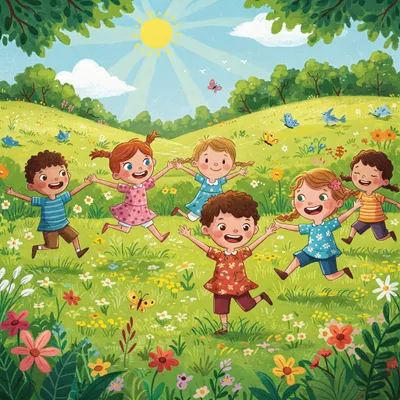
Long before "The Hokey Pokey", children were putting a hand in, shaking it about, and spinning around to "Here We Go Looby Loo." It is a circle game: everyone dances through the chorus, then each verse calls out a body part to thrust into the middle, shake three times, and turn. The two songs follow almost the same pattern, and Looby Loo is the older of the two.
Origins
The game grows out of older folk dances from across the British Isles. James Orchard Halliwell printed it in 1849 as "Dancing Looby" in his Popular Rhymes and Nursery Tales, but a close relative called "Hinkumbooby" had already been recorded in 1826. The earlier "Looby Light" and "Lubin" forms may tie the rhyme to the Lubin, a stock character in old French and English pastoral dances.
Meaning & Interpretation
"All on a Saturday night" points to weekend recreation, and the game may once have been played by children before the weekly bath. The word "looby" is old English for a clumsy or rustic fellow, which suggests the dance was meant to be done in an exaggerated, ungainly way, arms and legs flung about on purpose. From that loose folk dance came the tidy, structured version children play today.
What is the origin of Here We Go Looby Loo?
The game originated as a traditional English folk dance. It was first printed in 1849 in James Orchard Halliwell's collection, although it was based on older folk dances such as "Hinkumbooby" from the 1820s.
How is Looby Loo played?
Players hold hands and dance in a circle during the chorus. For each verse, they stand in place and put the specified body part (such as a hand or foot) into the center of the circle, pull it out, shake it, and then spin around.
Music Video
If the player is unavailable, watch this video on YouTube.
Related Nursery Rhymes


Lyrics from nurseryrhymes.info